
Commonwealth overturns SA's 24-year nuclear waste law

Updated: 9 hours ago

In 2000, South Australia passed the SA Nuclear Waste Storage Facility (Prohibition) Act. Exactly as the name of the Act suggests, this law was passed to ban the construction and operation of a nuclear waste storage facility within the state.
The primary objective of the Act is to protect the health, safety and welfare of South Australians and to safeguard the local environment. It bans the importing and transporting of nuclear waste. It bans public money from being used to encourage, finance or support the construction of a nuclear waste site. It mandates a public inquiry into the environmental and socio-economic impacts if a nuclear waste storage facility is proposed.
Twenty-four years ago, this state had the foresight to protect its safety in advance. The fact that South Australia went to the trouble of legislating this ban shows how adamant the state was against nuclear waste storage. The state had the wisdom to know two and a half decades ago that opening the floodgates to becoming a nuclear storage site would come at the cost of the public’s health, safety and welfare. The state wasn’t wrong.
How could the South Australian government go back on its own promise to its people?
This state has tolerated BHP's open pit of radioactive waste in Olympic Dam for decades. At least the 180 million tonnes of radioactive tailings are in remote areas of mostly desert.
South Australians have had to bear the burden of this hazard for almost three decades. And for what? Only for the state government to sideline its own residents, its own law and one of its own councils all at the same time.
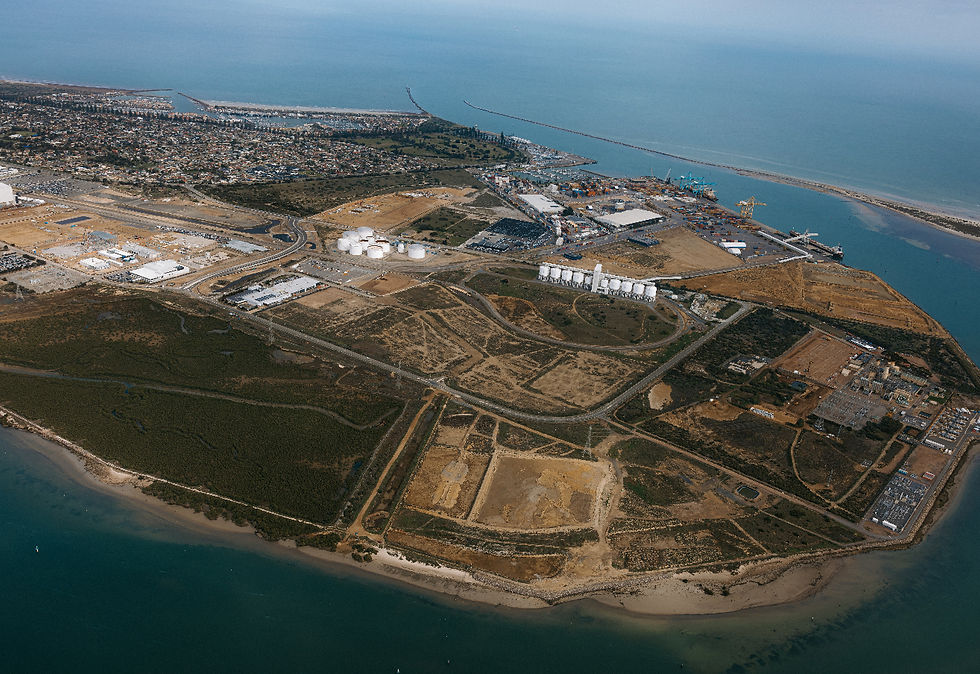
In November 2024, the City of Port Adelaide Enfield voted against the storage of nuclear waste and any radioactive waste produced by AUKUS in Osborne. Port Adelaide Enfield Council cited the Act.
What the Council didn’t know was that two months before this, the federal government had passed the Australian Naval Nuclear Power Safety Act, turning Osborne Naval Shipyard into a “Designated Zone”. By using this law, the Commonwealth could legally override state law and local council jurisdiction.

Under this Act, the U.S. and UK submarines count as foreign vessels and, as such, do not come under the legal jurisdiction of Australian domestic law.
There is no way to police or regulate Osborne Naval Shipyard while it is a “Designated Zone”. The Australian Naval Nuclear Power Safety Regulator can only legally regulate Australian infrastructure.
This has left an ongoing, permanent legal grey area regarding who is liable if an incident or a leak occurs inside the Osborne perimeter.
Comments